


- Home
 Software Releases
- New Release: Yocto Zeus v1.1 for VAR-SOM-MX8M-NANO modules
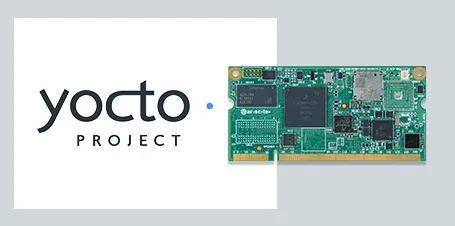
Release date: 8/10/2020
Variscite is pleased to inform about the Yocto Zeus release v1.1 for the VAR-SOM-MX8M-NANO System on Module.
Modules: VAR-SOM-MX8M-NANO
Release: zeus-fsl-5.4.3-mx8mn-v1.1
Details:
- Filesystem:
Yocto Zeus (based on official NXP release L5.4.3-1.0.0). - Linux kernel:
Variscite lf-5.4.y_var01 branch (based on NXP branch lf-5.4.y, which is based on Linux 5.4.3). - U-Boot:
Variscite lf-5.4.y_v2019.04_var01 branch (based on NXP branch lf-5.4.y_v2019.04, which is based on U-Boot v2019.04).
Noteworthy updates since release 1.0:
Release 1.1
Yocto
- iso-codes: Set branch as main in SRC_URI to fix fetch issue
- pm-utils: Add Ethernet suspend/resume scripts
- DS1307: Ensure that alarm IRQ can be wakeup source
- mx8_install_android.sh: Fix udev stop/start for Yocto Zeus
Kernel
- Reduce power consumption during suspend to RAM
- net: fec: Add optional property phy-reset-on-resume to reset the phy upon resume from sleep
- rtc: ds1307: Ensure that alarm IRQ can be wakeup source
- edt-ft5x06: check wakeup-source dts property
- ASoC: fsl_audmix: Fixed “alsactl -f state.conf store/restore” sequence
- usb: chipidea: udc: Fixed possible OOM issue on systems with low memory
U-Boot
- Autoboot: SDP: Stop setting the environment to default when booting from USB
- serial: mxc: Make mxc_base modifiable by external code
External Information
Developers info

Sign up for our newsletter


 Join RSS Feed
Latest Posts
Software releases
Stay current with software updates – Keep your Variscite SoMs performing at their best with our latest software releases.

Newsroom
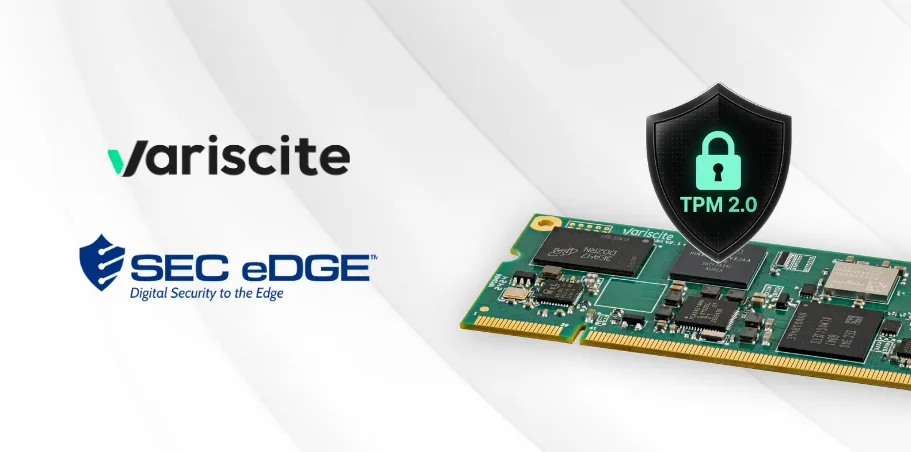
Adding TPM 2.0 to an embedded product usually starts with a hardware question: where does the security chip go? On Variscite’s i.MX-based modules, there is now another answer. Variscite and SecEdge are bringing SecEdge’s TPM 2.0 firmware, anchored in the processor’s own security hardware, to Variscite’s i.MX System on Module portfolio.
Blog
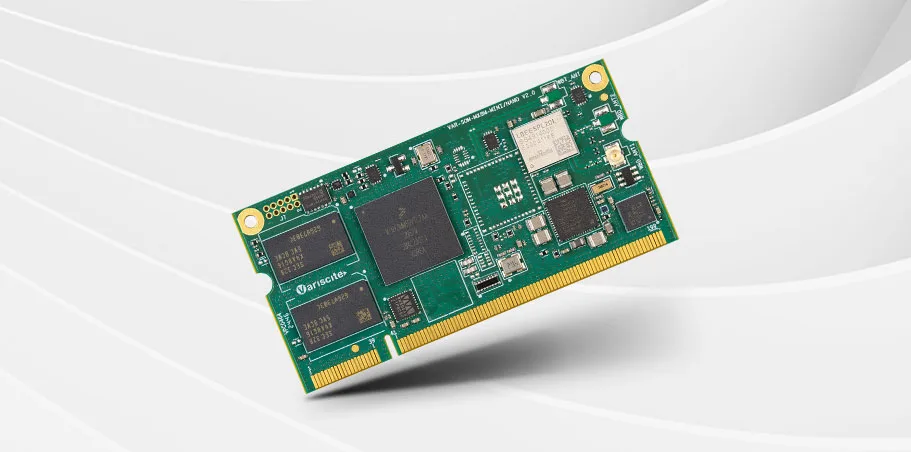
Pierluigi Passaro, Variscite’s R&D expert, introduces the VAR-SOM-MX8M-MINI and the VAR-SOM-MX8M-NANO – two cost-optimized modules designed for applications that require power-efficient processing, graphics capabilities, and real-time performance. Both SoMs are available with flexible memory, storage, and wireless configurations, allowing developers to pay only for the features they need.
